

The Science of Sleep and Bedding
The relationship between sleep quality and bedding materials is a critical aspect often overlooked in discussions surrounding restful sleep. Scientific research underscores the importance of high-quality sheets, demonstrating that they play a pivotal role in enhancing sleep experiences. One significant factor contributing to improved sleep is temperature regulation. Bedding made from natural materials such as cotton and linen offers optimal breathability, allowing for better air circulation, which can help maintain a comfortable sleeping temperature. In contrast, synthetic fabrics may lead to heat retention, disrupting sleep due to discomfort.
Another critical feature of high-quality bedding is moisture-wicking properties. Natural fibers, particularly cotton and linen, possess inherent moisture-wicking abilities which help to draw sweat away from the body. This capability is vital for maintaining a dry and comfortable sleep environment, particularly for individuals who experience night sweats or live in warmer climates. Inadequate moisture management can lead to a disrupted sleep cycle, highlighting the necessity of investing in premium bedding.
Research findings also indicate that the choice of fabric can significantly impact sleep quality. In studies comparing different materials, cotton emerged as a champion for comfort due to its softness and durability. Linen, with its remarkable temperature-regulating qualities, has shown promise in offering enhanced comfort throughout the night. Conversely, while synthetic materials are often marketed for their ease of care, they may not provide the same level of comfort and temperature control as their natural counterparts. Therefore, when selecting bedding, considering both the fabric and its properties is crucial for anyone seeking to improve their sleep quality.
Comfort and Well-Being: The Importance of Feel
The tactile experience of bedding plays a crucial role in shaping our overall comfort and well-being. High-quality sheets, which encompass smoothness and softness, can significantly enhance our sleep quality. When we consider the importance of feel, it is evident that the texture of sheets can either promote relaxation or create discomfort. For instance, luxurious cotton sheets, known for their breathable and soft texture, are often preferred over harsher materials. These softer textiles can reduce sleep disturbances, allowing for a more restorative night’s rest.
Moreover, the physiological and psychological impacts of bedding materials cannot be underestimated. Rough or irritating textures can lead to restlessness and increased body temperature during the night, hindering the ability to fall into a deep sleep. On the other hand, sheets made from materials like bamboo or microfiber can provide a gentle embrace, promoting a sense of security and relaxation. This feeling of comfort allows the mind to unwind, essential for achieving quality sleep.
Many individuals have shared personal experiences concerning the transformation that high-quality bedding has brought into their lives. For example, a person transitioning from basic cotton sheets to a premium sateen finish reported not only improved quality of sleep but also a boost in mood and productivity during the day. Such anecdotes illustrate that investing in luxurious, comfortable bedding is not merely a matter of indulgence but rather an essential element of self-care that can influence one’s mental and physical well-being.
In light of these considerations, it becomes clear that the importance of feel in bedding directly correlates with our overall comfort and health. The choice of sheets should not be taken lightly, as this decision can fundamentally impact our nightly rest and, consequently, our daytime vitality.
The Long-Term Benefits of High-Quality Bedding
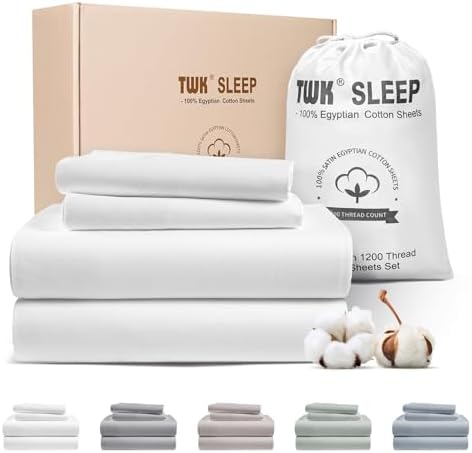
Investing in high-quality bedding is not just about immediate comfort; it is a decision that yields numerous long-term benefits. One of the most significant advantages is durability. High-quality sheets are typically crafted from superior materials, such as Egyptian cotton or linen, which possess inherent strength and resilience. Unlike cheaper alternatives, these fabrics are designed to withstand the rigors of washing and regular use, meaning they will last longer. This durability ultimately translates into cost savings over time, as you will not need to replace them as frequently.
In addition to longevity, high-quality bedding significantly improves ease of maintenance. Premium sheets are generally easier to wash and dry, with less likelihood of fading, wrinkling, or developing pilling. This convenience not only enhances the user experience but also encourages better hygiene practices. Clean and well-maintained bedding contributes to a more inviting sleeping environment and makes routine changes less of a chore.
Another important factor to consider when discussing the long-term benefits of quality bedding is its impact on overall health. High-quality sheets are typically made from breathable materials that help regulate temperature and wick away moisture, thus promoting better sleep. This quality sleep is essential for restorative processes in the body, which can lead to improved mental clarity and physical well-being.
Furthermore, investing in high-quality bedding can help mitigate potential health issues such as allergies and skin irritations. Cheaper sheets often contain harmful chemicals and are more likely to trap dust mites and other allergens. In contrast, premium materials are less likely to induce allergic reactions, creating a healthier sleeping environment. By focusing on quality, you not only enhance comfort but also support your long-term health.
Choosing the Right Bedding: Tips and Considerations
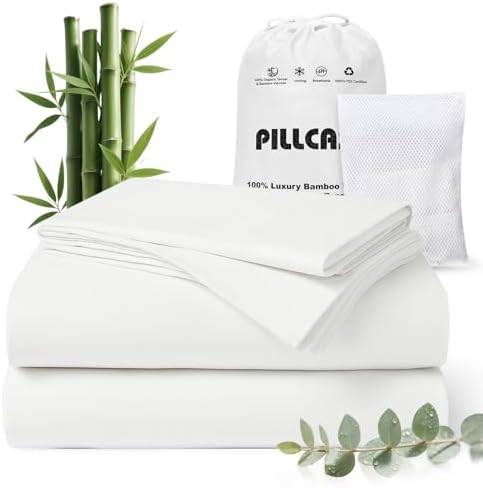
Selecting the right high-quality bedding is crucial for enhancing your sleep experience. One of the first considerations should be thread count. Generally, a higher thread count indicates a denser, softer fabric; however, it is essential to balance this with the type of material used. Cotton, linen, and bamboo are preferred options known for their breathability and comfort. For instance, Egyptian cotton sheets are highly sought after for their luxurious feel, while bamboo sheets are gaining popularity for their hypoallergenic properties.
When considering the material, it is also important to assess your personal preferences and specific needs. For those who tend to sleep hot, sheets made from breathable materials like linen or lightweight cotton can help regulate body temperature. On the other hand, flannel sheets are ideal for colder months, offering warmth and coziness. Seasonal bedding choices can significantly enhance your comfort, enabling you to snuggle up during winter and stay cool in summer.
Budget is another critical factor when it comes to purchasing high-quality bedding. Fortunately, there are reputable brands that offer quality sheets at various price points. It is wise to look for options that provide value without compromising comfort. Brands that emphasize sustainable practices often provide certifications such as OEKO-TEX or GOTS, ensuring that the materials are free from harmful chemicals. Investing in certified bedding not only supports your health but also contributes to environmental conservation.
In conclusion, analyzing your needs and preferences in relation to thread count, material, and budget can help guide you in selecting the right high-quality bedding. Prioritizing reputable brands with quality certifications will further enhance your peace of mind regarding your bedding choices.